What are sodium batteries?
Sodium batteries are a type of rechargeable battery similar to lithium-ion batteries, but they use sodium ions (Na+) instead of lithium ions (Li+) for energy storage. Here's a breakdown of what they are:
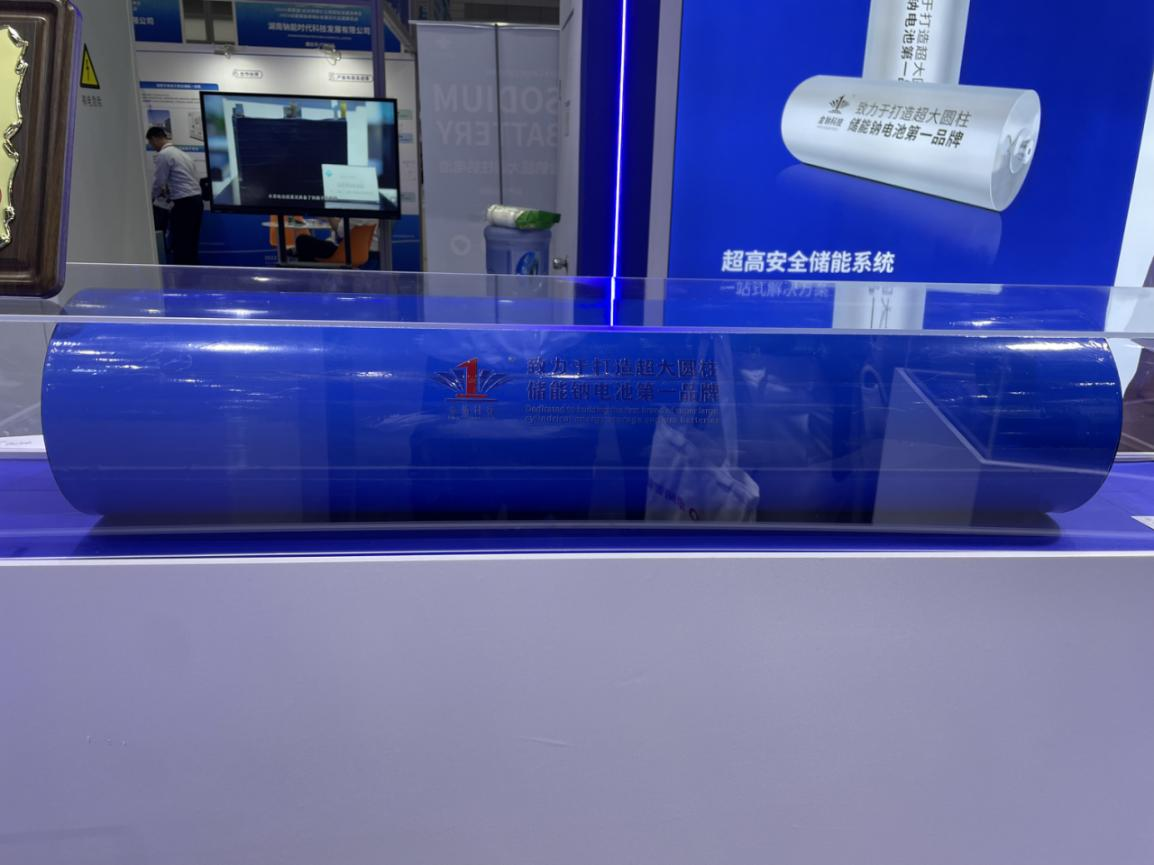
Size Φ200*1200mm Capacity: 2200Ah Voltage:1.5-3.6V
Basic Function:
· Like lithium-ion batteries, sodium batteries work through the movement of ions between electrodes.
· During charging, sodium ions travel from the cathode (positive electrode) to the anode (negative electrode).
· When discharging (providing power), the ions flow back from the anode to the cathode.
Components:
· Cathode: Typically made of sodium-containing materials like sodium iron phosphate (NaFePO4) or Prussian blue analogues.
· Anode: The material choices are still under development, but hard carbon is a common option.
· Electrolyte: A solution that allows sodium ions to move between the electrodes.
Benefits:
· Abundant resources: Sodium is a much more abundant element than lithium, making it a potentially cheaper and more sustainable battery option.
· Safety: Sodium batteries generally have a lower risk of overheating or catching fire compared to lithium-ion batteries.
· Lower cost: The use of common materials could potentially lead to lower production costs compared to lithium-ion batteries.
Challenges:
· Energy density: Current sodium batteries typically have lower energy density than lithium-ion batteries. This means they can store less energy per unit weight or volume.
· Charging speed: Sodium batteries may take longer to charge compared to lithium-ion batteries.
· Performance: Researchers are still working on improving the overall performance of sodium batteries, including factors like cycle life (number of charge/discharge cycles) and efficiency.
Applications:
· Grid storage: Sodium batteries could potentially be a good option for large-scale energy storage due to their lower cost and safety advantages.
· Electric vehicles: While not yet on par with lithium-ion for long-range applications, sodium batteries could be suitable for shorter-range electric vehicles or electric buses.
· Backup power: Their safety profile might make them suitable for backup power applications in homes or businesses.
The future:
Sodium battery technology is a rapidly developing field. Researchers are working on overcoming the limitations mentioned earlier to make them more competitive with lithium-ion batteries. If successful, sodium batteries could play a significant role in the future of energy storage and electric mobility due to their potential for lower cost, better safety, and abundant resources.